

Spinal Stenosis Therapy Techniques for Improved Mobility
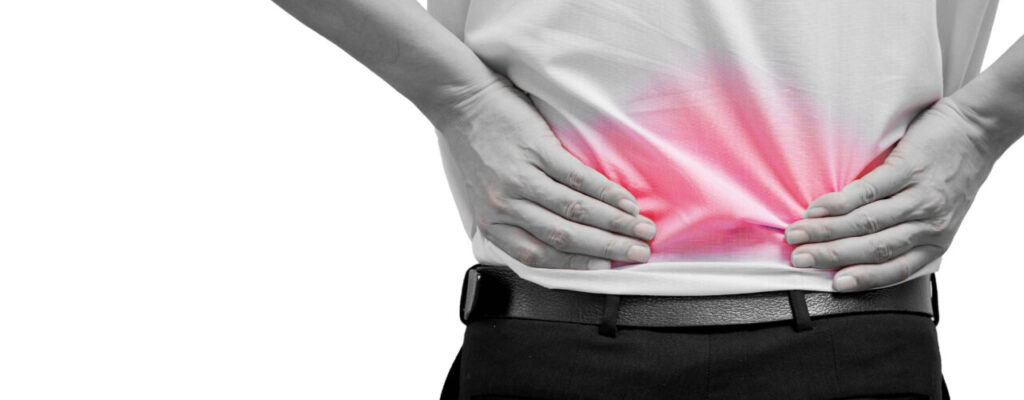
Spinal stenosis, a condition characterized by narrowing spaces within the spine, can significantly impact mobility and quality of life. At TOP Physical Therapy, we specialize in spinal stenosis therapy techniques that improve function, reduce pain, and enhance overall well-being. This blog post explores evidence-based physical therapy approaches for managing spinal stenosis and regaining independence.
Understanding Spinal Stenosis
Spinal stenosis occurs when the spaces within the spine narrow, putting pressure on the nerves that travel through the spinal canal. This condition most commonly affects the lower back (lumbar stenosis) and neck (cervical stenosis). Symptoms typically develop gradually and may include:
- Pain or cramping in the legs, especially when walking or standing for extended periods
- Numbness, weakness, or tingling in the legs, arms, or hands
- Back pain that radiates to the buttocks and legs
- Neck pain and stiffness
- Balance problems and increased risk of falls
These symptoms often worsen with activity and improve with rest or forward bending positions.
The Physical Therapy Process for Spinal Stenosis
Our physical therapists at TOP Physical Therapy use a comprehensive approach to treating spinal stenosis. The process typically involves:
Thorough Initial Assessment
- Physical therapists conduct a detailed evaluation to assess posture, range of motion, strength, flexibility, and functional limitations. This assessment helps identify specific areas of concern and guides the development of a personalized treatment plan.
Individualized Treatment Planning
- Based on the assessment findings, physical therapists create tailored treatment plans that address each patient’s unique needs and goals. These plans incorporate various spinal stenosis therapy techniques to improve mobility and reduce pain.
Progressive Implementation of Techniques
- Our therapists will gradually introduce and adjust treatment techniques to ensure optimal results while minimizing discomfort. This approach allows patients to build strength and improve function at a comfortable pace.
Spinal Stenosis Therapy Techniques: A Multifaceted Approach
Physical therapists utilize a range of evidence-based techniques to address spinal stenosis symptoms and improve overall function:
Manual Therapy: Hands-on Healing
Manual therapy techniques play a crucial role in managing spinal stenosis. Physical therapists use skilled hand movements to:
- Mobilize joints and soft tissues
- Reduce muscle tension and spasms
- Improve spinal alignment
- Decrease pain and inflammation
These techniques help restore normal movement patterns and alleviate pressure on affected nerves.
Restoring Mobility: Targeted Stretches
Improving spinal mobility is essential for managing spinal stenosis symptoms. Physical therapists guide patients through controlled movements and stretches designed to:
- Increase mobility in the joints and surrounding muscles
- Reduce stiffness and improve range of motion
- Promote better posture and alignment
Enhanced mobility can help create more space within the spinal canal, potentially reducing nerve compression.
Strengthening: Building a Supportive Framework
Targeted strength training forms a key component of spinal stenosis therapy techniques. Our physical therapists design progressive exercises to:
- Strengthen core muscles for improved spinal stability
- Enhance the strength of back and leg muscles
- Improve overall body strength and endurance
A stronger musculoskeletal system provides better support for the spine, potentially reducing symptoms and improving function.
Neuromuscular Training: Enhancing Control and Coordination
Physical therapists incorporate neuromuscular training to improve body awareness, balance, and coordination. This approach includes:
- Proprioceptive exercises to enhance body position sense
- Balance training to reduce fall risk
- Functional movement patterns to improve daily activities
Improved neuromuscular control can lead to more efficient movement and reduced strain on the spine.
Gait and Posture Training: Optimizing Movement Patterns
Improving gait and posture is crucial for managing spinal stenosis symptoms. Physical therapists work with patients to:
- Analyze and correct walking patterns
- Improve posture during standing, sitting, and other activities
- Teach energy conservation techniques for prolonged standing or walking
These interventions can help reduce strain on the spine and alleviate symptoms during daily activities.
Spinal Stenosis Management: A Path to Improved Mobility
At TOP Physical Therapy, our experienced physical therapists are dedicated to helping patients with spinal stenosis improve their mobility and quality of life. We utilize the latest research-supported spinal stenosis therapy techniques to create comprehensive treatment plans tailored to each individual’s needs.
If you’re struggling with spinal stenosis symptoms, call today to explore how our specialized physical therapy services can help you on your path to improved mobility and well-being!